Showing posts with label Healthy Cooking. Show all posts

Thursday

How to Make Instant Ramen Healthy for Weight Loss

How to Make Instant Ramen Healthy for Weight Loss

Wondering how to make instant ramen healthy for weight loss without giving up its comforting flavor? The good news is that you don't have to stop eating instant ramen or noodles. 

With a few quick and smart changes, you can turn this pantry favorite into a balanced, filling meal that supports your weight-loss goals while satisfying cravings.

Quick Answer:

The easiest way to make instant ramen healthier is to use only half the noodle block, skip the high-sodium seasoning packet, replace it with low-sodium broth or miso, and add lean protein plus fiber-rich vegetables. 

replace it with low-sodium broth or miso
Japanese Miso Paste

This simple upgrade creates a meal with more nutrients, better satiety, and fewer empty calories.

1) Build a Healthier Broth

The seasoning packet is usually highly packed with sodium and additives that can leave you feeling bloated. Instead, prepare your ramen with two cups of low-sodium chicken broth, vegetable broth, bone broth, or miso. 

These options deliver richer flavor while adding beneficial nutrients and, in some cases, extra protein. A flavorful broth also helps you enjoy every bite without relying on excess salt.

2) Fill Your Bowl with Vegetables

One of the easiest ways to make instant ramen healthy for weight loss is by increasing volume with vegetables

Fiber-rich vegetables help you feel full for longer while keeping calories under control

Fill Your Bowl with Vegetables bok choy
Bok choy

Great choices include spinach, bok choy, mushrooms, edamame, shredded cabbage, carrots, or broccoli. 

If you want to increase your fiber intake, add fresh or frozen green peas.

Personally, I like to add broccoli sprouts. Broccoli sprouts' nutritional benefits include antioxidant and cancer-fighting properties because it is rich in sulforaphane, vitamins, minerals, and fiber. (Related Post: How to Keep Cooked Broccoli Bright Green)

The colorful mix also provides vitamins, minerals, and antioxidants that support overall health.

3) Add Lean Protein for Lasting Fullness

Protein is essential for controlling hunger and preserving muscle during weight loss. 

Crack an egg directly into the simmering broth, stir in firm tofu, or add shredded chicken breast. 

These simple additions make your ramen more satisfying, reduce afternoon cravings, and help stabilize energy levels after eating.

4) Reduce the Noodles, Not the Satisfaction

Most instant ramen noodles are deep-fried before packaging, making them higher in calories and fat. Instead of using the entire block, cook only one-half to two-thirds of the noodles. You can also use air-dried instant ramen like NISSIN- RAOH Umami Tonkotsu.

The extra vegetables and protein replace the missing volume, creating a generous bowl that feels indulgent without overloading your calorie intake.

5) Boost Flavor Naturally

Healthy ramen never has to taste bland. Add a teaspoon of sesame oil, a splash of low-sodium soy sauce, garlic, ginger, chili flakes, or sriracha for bold flavor. (see… Top 5 Best Soy Sauce Brands Most Recommended by Experts)

Fresh herbs and green onions also brighten every bowl while adding freshness without unnecessary calories.

Small, consistent upgrades like these are supported by nutrition research showing that meals rich in protein, fiber, and lower sodium can improve fullness and make healthy eating easier over time.

Frequently Asked Questions

Can instant ramen fit into a weight-loss diet? 

YES! When portion sizes are controlled and balanced with vegetables and lean protein, instant ramen can fit into a calorie-conscious eating plan.

What is the healthiest protein to add? 

Eggs, chicken breast, tofu, shrimp, cod, lentils and edamame are all excellent high-protein choices.

What is the healthiest protein to add

You can also try canned tuna or fresh tuna. About 27g of protein per can. Opt for light tuna instead of albacore to keep mercury levels low.

RELATED POST: 5 Best Instant Ramen Brands (2026): Ranked by College Students and Flavor Experts

Monday

Why Steamed Vegetables Don't Deserve Their Bad Reputation?

why-steamed-vegetables-dont-deserve-their-bad-reputation

Steamed vegetables have long been considered a bland and unappealing way to eat vegetables, but this reputation is undeserved. In fact, steaming vegetables is one of the best ways to preserve their nutritional content and flavor.

The process of steaming involves cooking food with steam, which is created by boiling water. This method of cooking is gentler than boiling or frying, and it helps to preserve the integrity of the vegetables' cell walls, keeping more of the vitamins and minerals inside. 

Steaming also prevents the loss of water-soluble vitamins, such as vitamin C and B vitamins, which can leach out of vegetables when they are boiled.

One of the main benefits of steaming vegetables is that it preserves their color and texture. Steaming cooks the vegetables quickly and evenly, which helps to keep their bright colors and crisp texture intact. 

steamed-carrots

When vegetables are boiled or fried, they can become mushy and lose their vibrant colors. This is particularly true for leafy greens, which can turn a dull green when boiled, but retain their bright color when steamed.

Another benefit of steaming vegetables is that it helps to preserve their flavor. Steaming cooks the vegetables quickly, which helps to lock in their natural flavors. 

Additionally, the steam surrounds the vegetables, infusing them with the flavors of herbs, spices, or other seasonings that can be added to the water. This is a great way to add extra flavor to plain steamed vegetables, without adding any additional fats or oils.


RELATED POST: Steam Cooking Times: How Long to Steam Vegetables, Fish, Chicken, Lobster and Other Savory Foods


Steaming is also a very healthy way to cook vegetables. Steaming does not add any fats or oils, and it helps to preserve the natural vitamins and minerals in the vegetables. This makes steamed vegetables a great choice for people who are watching their fat or calorie intake. 

Additionally, steaming is a great way to prepare vegetables for people who have difficulty digesting raw vegetables, such as those with irritable bowel syndrome.

One great example of steamed vegetable is broccoli. Broccoli is a cruciferous vegetable that is packed with nutrients, including vitamin C, vitamin K, and folate. When steamed, broccoli retains its bright green color and crisp texture, and it is a great way to get the full nutritional benefits of this vegetable. Steaming broccoli for just a few minutes is enough to make it tender and flavorful.

steamed-vegetable-broccoli


RELATED POST: How to Keep Cooked Broccoli Bright Green


Another example is asparagus. Asparagus is a delicate vegetable that can be easily overcooked, which can make it lose its natural sweetness and crisp texture. Steaming asparagus is a great way to cook it without losing its delicate flavor and texture.

steamed-asparagus

Steamed vegetables have long been considered a bland and unappealing way to eat vegetables, but this reputation is undeserved

Steaming is the best way to preserve the nutritional content and flavor of vegetables. It preserves their color, texture, and flavor. Additionally, it is a very healthy way to cook vegetables, as it does not add any fats or oils, and it helps to preserve the natural vitamins and minerals in the vegetables. 

So, next time you want to enjoy the benefits of vegetables, steaming is a great option to consider.


RELATED POST: Best Sellers in Food Steamers, most popular products based on sales. Updated frequently


There are several ways to add flavor to steamed vegetables:

1) Seasonings: Before steaming, toss the vegetables with a mixture of herbs and spices such as garlic powder, onion powder, dried thyme, or dried rosemary.

2) Butter or oil: After steaming, toss the vegetables with a small amount of butter or oil and a sprinkle of sea salt.

steaming-very-healthy-way-to-cook-vegetables

3) Lemon or lime juice: Squeeze fresh lemon or lime juice over the steamed vegetables for a bright, acidic flavor.

4) Soy sauce or tamari: Drizzle a small amount of soy sauce or tamari over the steamed vegetables for a savory, umami flavor.

5) Parmesan cheese: Sprinkle grated Parmesan cheese over the steamed vegetables for a nutty, salty flavor.

6) Salsa or hot sauce: Serve the steamed vegetables with a side of salsa or hot sauce for a spicy kick.

7) Experiment with different flavors like honey, balsamic vinegar, or a sprinkle of toasted nuts and seeds.

Thursday

What is the Best Way to Cook Sweet Potato?

what-is-the-best-way-to-cook-sweet-potato

The best way to cook sweet potato is by roasting it using charcoal.

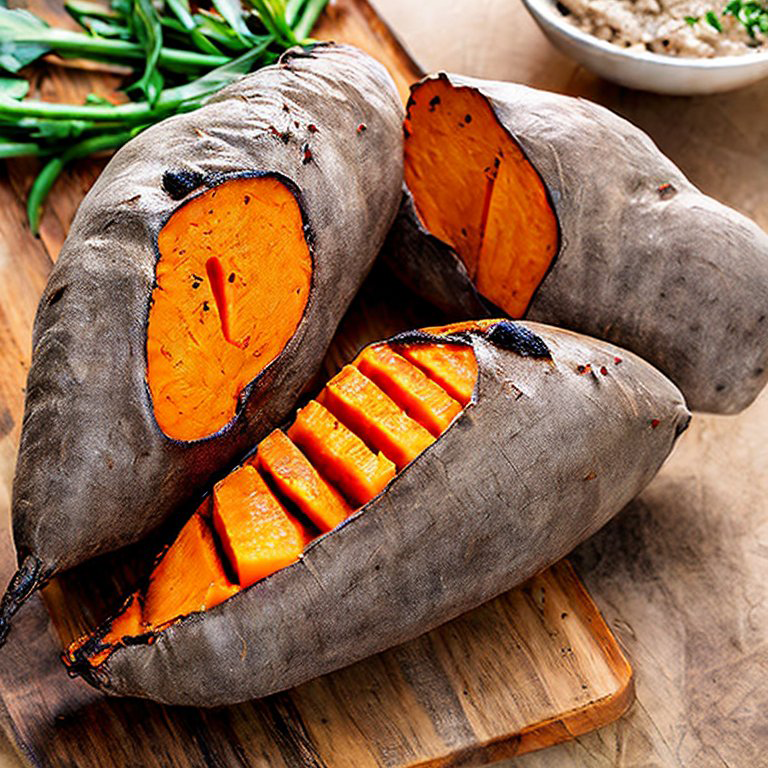
1) Roasting whole sweet potatoes with skin intact over charcoal can be a delicious and effective way to cook them because charcoal imparts a smoky flavor that complements the natural sweetness of the potatoes. Additionally, roasting helps to caramelize the exterior of the sweet potatoes, creating a crispy, browned surface while keeping the inside soft and fluffy.

To roast sweet potatoes over charcoal, you will need a charcoal grill and some good quality charcoal briquettes. Light the briquettes and let them burn until they are covered in white ash and have reached a temperature of around 350-375 degrees Fahrenheit.

While the charcoal is heating, prepare the sweet potatoes by washing and drying them. 

Once the charcoal is ready, place the sweet potatoes on the grill grates. Cook them for about 20-25 minutes, turning occasionally, until they are tender. Keep an eye on them and adjust the heat if necessary.

When they are finished, remove them from the grill and let them cool for a few minutes before serving. You could serve them as side dish, or top them with butter, cinnamon, and brown sugar, or even some herbs like cilantro, parsley, and even paired with a protein source like grilled chicken or fish.

It's important to keep in mind that cooking times will vary depending on the size and thickness of the sweet potatoes, as well as the temperature of the charcoal, so it's a good idea to check them frequently while they're grilling.

2) Another variation cut them into wedges or slices if desired. Then, season the sweet potatoes with a little olive oil, salt, and pepper or any other desired seasonings. Once the charcoal is ready, place the sweet potatoes on the grill grates. Cook them and turning occasionally, until they are tender and golden brown on the outside.

charcoal-roasted-sweet-potato-cut-wedges

RELATED HEALTHY RECIPES:

Homemade Post Workout and Sports Recovery Drink Recipe - Sweet Potato Recipes

What Should I Eat for Dinner? EAT Sweet Potato Hummus without Chickpeas


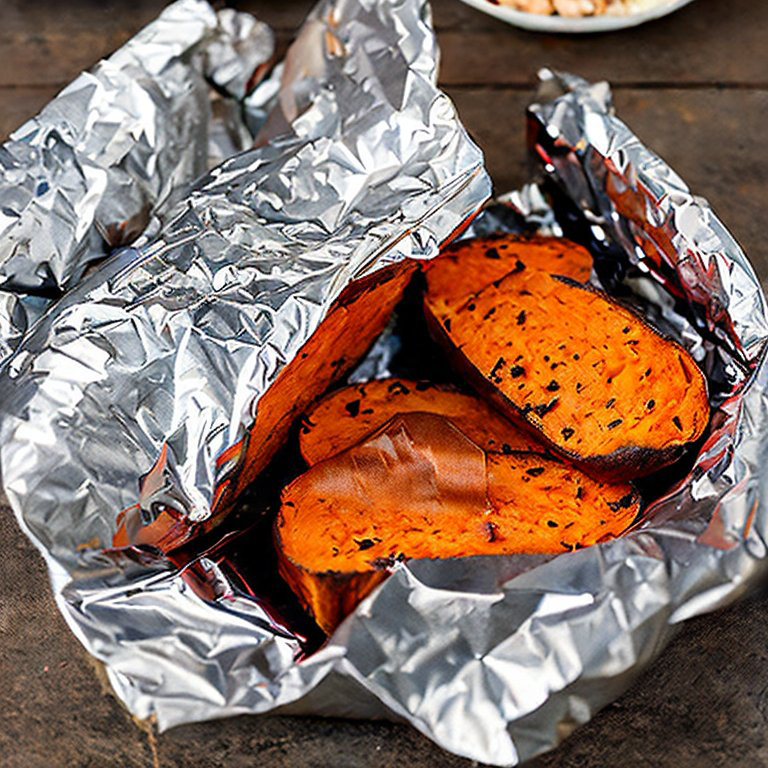
3) Third variation is roasting sweet potatoes over charcoal is using foil packets. This method is a great option for those who want to cook sweet potatoes in a more controlled environment, as well as for camping or tailgating.

charcoal-roasted-sweet-potato-in-foil

To make foil packets, cut a large piece of foil into four and place one sweet potato in each. Add some butter, herbs, seasonings, and a sprinkle of water to each packet, then seal the edges of the foil tightly to create a packet. Place the foil packets on the grill grates, and cook for about 15-20 minutes, or until the sweet potatoes are tender and fully cooked.

Another advantage of using this method is that you can add other ingredients such as vegetables, or diced meats in the foil packet, this way you'll have a full meal ready, this way you can have a foil packet of sweet potatoes with vegetables, or sweet potatoes with chicken, which will have a great combination of flavors and perfect for a backyard BBQ.

Roasting sweet potatoes over charcoal can be a delicious and convenient way to prepare them, adding a smoky flavor that complements the natural sweetness of the potatoes. It's a simple and easy way to enjoy sweet potatoes in a variety of ways by adding different seasonings and ingredients. It can be a perfect addition to any outdoor event.


Why roasting is the healthiest way to cook sweet potatoes?

1) Roasting sweet potatoes is considered one of the healthiest ways to cook them because it requires no oil and preserves the most nutrients.

Sweet potatoes are a good source of vitamin A, vitamin C, manganese, and dietary fiber. When sweet potatoes are cooked by boiling, microwaving or steaming, a significant amount of the vitamins and minerals can leach out into the water. Roasting, on the other hand, cooks the sweet potatoes dry, preserving most of the nutrients inside.

why-roasting-the-healthiest-way-to-cook-sweet-potatoes

2) Additionally, roasting sweet potatoes at high temperatures caramelizes the sugars in the potato, creating a delicious, crispy exterior without the need for added fats. This nonenzymatic browning process that makes food delicious is called Maillard Reaction. This means that roasted sweet potatoes are lower in calories and saturated fat than sweet potatoes that have been deep-fried or pan-fried.


RELATED SWEET RECIPES:

How to Make Sweet Potato Pie with Condensed Milk- Easy Sweet Potato Pie Recipe

How to Make Patti Labelle's Sweet Potato Pie- Southern Soul Food Recipes


3) Another advantage of roasting is that it brings out the natural sweetness and flavor of sweet potatoes, making them delicious to eat without adding any additional sugars or sweeteners, which makes them a healthier option.

Roasting sweet potatoes over charcoal adds a smoky flavor that can enhance the taste of sweet potatoes, but it's important to keep in mind that it may also introduce some potentially harmful compounds such as polycyclic aromatic hydrocarbons (PAHs) if the charcoal isn't fully lit. However, this can be mitigated by letting the charcoal burn to ash before cooking.

As long as you watch the charcoal and let it burn to ash before cooking, roasting is a healthy and delicious way to enjoy this nutrient-dense sweet potato.

Tuesday

LACK TIME? I Tried Easy French Pureed Green Bean Soup Recipe

easy-french-pureed-green-bean-soup-recipe

This very simple French soup is light and smooth to the mouth. You could have no better beginning to a meal than this. 


Is green bean soup healthy?


YES. This delicious green bean soup is light yet nutritious and can be consumed warm or chilled

Fresh green beans are a good source of fiber and protein and contain vitamins (B1, B2, B3, B5, B6, C, E, and K) and minerals like iron, potassium and magnesium.

Recent studies have confirmed the presence of lutein, beta-carotene, violaxanthin, and neoxanthin in green beans.

Green beans have also been proven to contain valuable amounts of the mineral silicon, and in a form that makes it easier for us to absorb this bone-supportive and connective tissue-supportive nutrient.


FRENCH GREEN BEAN SOUP RECIPE UK- VILLE-PREUX STYLE


You can improvise or revise this green bean recipe to your liking. Add or reduce ingredients depending to availability and convenience.

If you don’t have or don’t like tarragon, use basil, savory, a little rosemary, a combination of herbs, plain old parsley, or even no herbs at all. 

french-pureed-green-bean-soup-recipe
French green bean soup recipe uk

Serves 4 to 6 as a starter or as a dinner paired with Japanese Crispy Rice 

INGREDIENTS:

1½ pounds green beans; tipped and tailed (You can use Canned Cut Green Beans if you are in a hurry)

3 tablespoons butter, at room temperature
5 cloves garlic, pressed
1 tablespoon finely minced fresh parsley
1 tablespoon mild vegetable oil, such as coconut oil, corn or canola
1 large red onion, chopped
2 stalks celery with leaves, chopped
½ pound potatoes, peeled and coarsely chopped
1½ to 2 tablespoons tarragon leaves, stripped from tough stems
Salt and freshly ground black pepper
2 quarts (8 cups) vegetable stock, plus extra as needed


COOKING PROCEDURE:

1) Just prior to using the green beans, wash them under running water. Tipped, tailed and sliced fresh green beans.

Remove both ends of the beans by either snapping them off or cutting them with a knife. Cut the green beans any length you prefer.

Tipped, tailed and sliced fresh green beans

2) In a small bowl, smooth together the butter and pressed garlic with a spoon. Stir in the parsley, and set aside.

3) Heat the oil in a large soup pot over medium-high heat. Add the onion; lower the heat to medium, and sauté, stirring, until the onion has softened slightly, about 6 minutes. 

sauté, stirring, until the onion has softened slightly, about 6 minutes

4) Add the celery, and continue sautéing until the celery is slightly softened and its leaves are wilted, another 5 minutes.

5) Add the stock, potatoes, green beans, and tarragon. Bring to a boil, turn down to a brisk simmer, cover, and let cook until the potatoes and green beans are soft and very tender, 10 to 12 minutes.

6) Using a slotted spoon, transfer the solids to a food processor or blender and puree until they are smooth. 

Using a slotted spoon, transfer the solids to a food processor or blender

7) Taste the puree; season it with salt (a little bit) and pepper (not much). 

8) Stir the puree back into the broth, and reheat it to piping hot, adding extra broth if you want to thin the soup a little. 

This recipe is vegetable-centered, but if you want it richer or more multilayered, use chicken broth instead of vegetable, and stir in ½ cup of cream at the end. 

9) Serve in cups with a rounded teaspoon of the garlic-parsley butter on top. You can add a little grated lemon zest to the garlic butter, and squeezing the juice of a lemon into the soup before serving.


Try Other Green Bean Recipes:

How to Make TGI Fridays Crispy Green Bean French Fries?

How to Make Healthy and Fresh Green Bean Casserole? 


PUREED GREEN BEANS SOUP COOKING TIPS


Can I use canned cut green beans in making French Green Bean Soup (Ville-Preux Style)?


YES, if you are in a hurry or it is freezing winter evening and you are in a hurry to make dinner for the kids. 

Can I use canned cut green beans in making French Green Bean Soup
This brand is highly recommended

Select high quality Canned Cut Green Beans that frozen vegetables are flash frozen very near where they are harvested to quickly lock in their goodness.

The green beans should be canned near the farms where they are harvested.


Can you freeze fresh green beans?


YES, Steam it until cooked. Cool it down to room temperature and then place it in a zip lock bags. 

Can you freeze fresh green beans
Frozen green beans

Put in the freezer. You can store in the freezer up to 1 month. LEARN, How to Store Green Beans? - Best Way to Store Vegetables in Fridge


Can green beans be pureed?


YES. Puree green beans in a blender or food processor until smooth. Add water as needed to reach desired consistency. 


How do you puree frozen green beans QUICKLY?


1) Place the green beans in a steamer and cook for 3 to 5 minutes, or until tender. 

2) Drain green beans and place in blender with water. Puree until smooth. 

3) Pour into ice cube trays, allow to cool, wrap/cover, and freeze.


How do you make green beans taste good?


1) Sauté green beans with aromatics: Place coconut oil in the pot and heat over medium heat. Add your aromatics and sauté until fragrant and softened. 

2) Add the green beans and sauté just until heated. 

3) Add some extra taste: Stir in tastemakers like mustard and browned butter, sprinkle on toppings like chopped nuts or sesame seeds.


Do you like Gordon Ramsay? Try his soup recipe, How to Make Gordon Ramsay’s Roasted Pumpkin Soup?


Can I keep green bean soup overnight?


Green bean soup left to cool overnight, then reboiled for 10 minutes and properly refrigerated in the morning.

The green bean soup is still safe to eat because it is not cool long enough for the bacteria to germinate and reproduce up to dangerous levels.


Why do my green beans taste sour?


Why do my green beans taste sour
Select fresh green beans like this one.

If your green beans taste sour that means they have begun to spoil and ferment, and you should definitely throw them away.


REFERENCES:

Baardseth P, Bjerke F, Martinsen BK et al. Vitamin C, total phenolics and Antioxidative activity in tip-cut green beans (Phaseolus vulgaris) and swede rods (Brassica napus var. napobrassica) processed by methods used in catering. J Sci Food Agric. 2010 May; 90(7):1245-55. 2010.

Crescent Dragonwagon. 2012. Bean By Bean: A Cookbook: More than 175 Recipes for Fresh Beans, Dried Beans, Cool Beans, Hot Beans, Savory Beans, Even Sweet Beans!. Workman Publishing Company. ISBN-10: 0761132414

Don Orwell. 2020. Snow Peas & Green Beans Recipes: Over 50 Quick & Easy Gluten Free Low Cholesterol Whole Foods Recipes full of Antioxidants & Phytochemicals, Kindle Edition. Superfoods Today. Amazon.com Services LLC. ASIN: B08DM5GQ3T

Karas M, Jakubczyk A, Szymanowska U, et al. Antioxidant activity of protein hydrolysates from raw and heat-treated yellow string beans (Phaseolus vulgaris L.). Acta Sci Pol Technol Aliment. 2014 Oct-Dec; 13 (4):385-391.

Friday

Steam Cooking Times: How Long to Steam Vegetables, Fish, Chicken, Lobster and Other Savory Foods

How to Preserve Nutrients While Cooking?

Why is steaming a healthy way of cooking? “Healthy steaming method” is one of the best cooking methods for retaining flavor and nutrients in foods. It is one of the healthiest cooking methods. It allows you to cook your vegetables to preserve their nutrients, bring out their color and enhance their flavor. Fresh foods simply steamed and flavored with fresh herbs, lemon, salt, pepper and olive oil can be very satisfying and delicious, especially when the vegetable, fish and chicken themselves have so much taste. 

It is a cooking technique that can be done in a basket steamer inside a pot on the stove, rice cooker or Instant Pot, so there is very little mess and cleanup required.

A research study published in the Journal of the Science of Food and Agriculture found that light steaming was the clear winner when comparing different types of cooking methods and their effects on the retention of phytonutrients, such as carotenoids and flavonoids that act as powerful antioxidants. Light steaming of edible parts of broccoli inflorescences resulted in almost no loss of these health-promoting minerals nutrients or anti-cancer nutrients.

Steaming for a minimal amount of time produces vegetables cooked al denté, crisp inside and tender outside, and is an ideal way to preserve nutrients thus maximizing their nutritional value. 


If you are like vegetables because it is good for your body, you must read and try one easy recipe from one of these books. Download now at… 26 Best Vegetarian Diet Cookbooks of All Time


“Steam Cooking Process”: How Steam Cooking Works

As food is not immersed in water, nutrients that can leach into water are preserved and food cooks without the need for fats or oil. This energy-efficient method uses only a small amount of water. Water expands enormously when it turns to steam, and contains energy called “latent heat”, released when it strikes the cool food. 

Steam vapor circulates within the pot at a temperature of 102ºC (216ºF). When the steam strikes cool food, beads of condensation create a “film condensate” of about 91ºC (196ºF) around the food, shielding the food from direct contact with the steam. Heat travels into the food from the film condensate, gradually cooking it.

Steaming transfers heat to food through air convection (as in baking), but also through condensation of vapor. Just as it takes a lot of energy to convert water into steam, so steam gives up a lot of heat energy as it condenses back into water as it reaches and moistens the food.


9 Fast and Easy "Steam Cooking Tips"

how-long-to-steam-shrimps

Tip #1: Cut the vegetables into similar-sized pieces to guarantee even cooking.

Tip #2: Heat a small amount of water—about 1 inch (2.5cm)—in the bottom pan of a steamer. When heated, the movement of water molecules quickens, energy increases, and the water temperature rises to 212°F (100°C).

Tip #3: If you are using a food steamer with more than one tier, place meat or fish on the bottom tier to avoid dripping onto food below.

Tip #4: Food in a steamer should be loosely packed so that steam can circulate around it freely.

Tip #5: Bring the water to a boil. This will ensure that enough steam is produced for even heat distribution. When the water boils, the molecules have enough energy to break free as bubbles of steam.

Tip #6: Place the vegetables in the steamer basket above the water. When the steam comes into contact with the food, it cools and condenses back into water, releasing vast amounts of latent heat—the energy contained in the steam.

Tip #7: Cover the pan with a tightly fitting lid to trap the steam in.

Tip #8: Immediately remove the steamer basket from the pot and take off the lid to halt cooking and prevent the vegetables from becoming too soft. Remember to take into account residual heat in the food.

Tip #9: What are “suitable foods for steaming”? Steam cooking is best for vegetables (refer to list below); fish steaks and fillets; boneless chicken breasts and small whole chicken; tender loin and leg meat cuts. And even breads, there are many delicious and fluffy breads steam cooked in Japan, China and South East Asian countries.


Steamer Cooking Chart: Accurate Steaming Cooking Times

Vegetables like broccoli, carrots, cauliflower, asparagus and others are sometimes steamed for much too long, causing them to lose their flavor, color and nutrients. This can be prevented if you know the accurate steaming cooking times.

Be sure to note the time recommended for steaming in the recipes. Because temperatures vary on stoves, watch to make sure your vegetables are still brightly colored and a little crisp in the center when you remove them from the heat; reduce the time they are steamed if necessary.

What are best vegetables to steam? Please refer to the list below:


How long does it take to steam vegetables? (How Long to Steam Broccoli, Artichokes, Asparagus, Green Beans, Brussels Sprouts, Cabbage, Carrots, Cauliflower, Celeriac, Corn, Courgette, Leeks, ? Mange Tout, Mushroom, Pak Choi, Parsnip, Peas, Peppers, Potatoes, Sea kale, Spinach, Squash and Swede?)

how-long-to-steam-broccoli-carrots

VEGETABLES – about 250g/9 oz
COOKING TIME
COMMENTS
How to steam frozen vegetables? Frozen vegetables need not be defrosted before steaming. Just allow a few minutes longer cooking time.

Avoid strong-flavored vegetables such as kale or mustard greens – they are likely to transfer their flavor to other foods.

Artichokes – Globe
30-45 minutes or until the base is tender.
Before cooking, cut off the base so the artichoke sits level in the steamer.
Artichokes – Jerusalem, whole
About 20 minutes.
For the best flavor, leave the skins on during steaming (prick them first).
How long to steam Asparagus?
10-15 minutes.
Arrange the stalks so that they cross over each other – to allow the steam to circulate. Take care not to overcook or the quick-cooking tips will be too soft.
Beans – Green
10-15 minutes.
Arrange the beans so that they cross over each other – to allow the steam to circulate.
Beans – Runner, sliced
10-15 minutes.

How long does it take to steam Broccoli?
10-15 minutes.

Brussels Sprouts
15-20 minutes.
Once cooked, try mashing them with a knob of butter and a good grating of fresh nutmeg.
Cabbage, quartered
sliced or shredded
About 40 minutes.
About 15 minutes.

Carrots, sliced or cut into matchsticks
whole
About 20 minutes.
30-45 minutes.


Cauliflower florets
10-15 minutes.

Celeriac, cut into cubes or slices
About 20 minutes.
Sprinkling the uncooked celeriac with a little lemon juice helps to keep its color.
Chinese Leaves, roughly chopped
About 2 minutes.
Once cooked, toss with a little soy or oyster sauce.
Corn – Dwarf
About 10 minutes.

Corn on the cob
About 30 minutes.
Season with salt after cooking or the skins will toughen.
Courgettes, small whole sliced

5-10 minutes.
About 5 minutes.
Take care not to overcook them or they will become watery.
Garlic, whole cloves
About 10 minutes.
Once cooked, squeeze the garlic out of its paper-like casing.
Garlic – Wild
5-10 minutes.
For leaves that are just wilted, cook for a very short time.
Leeks, small whole or sliced
20-25 minutes.

Mange Tout
5-10 minutes.
Cook until they still have a slight ‘bite’.
How long to steam Mushrooms?
About 5 minutes.

Onions, small whole sliced

15-20 minutes.
10-15 minutes.


Pak Choi, roughly chopped
About 2 minutes.
Once cooked, toss with a little soy or oyster sauce
Parsnip, sliced or cut into cubes
30-45 minutes.
Once cooked, leave whole or mash until smooth.
Peas, fresh
8-12 minutes.

Peppers, seeds removed and cut into wide strips
About 10 minutes.

Potatoes, small whole or cut into cubes
About 20 minutes.

Sea kale, shredded
20-25 minutes.

How long to steam Spinach?
5-10 minutes.
For leaves that are just wilted, cook for a very short time.
Squash, seeds removed and cut into wedges or peeled and cut into cubes
20-30 minutes.
Once cooked, serve just as it is or mash until smooth and stir in some cream and ground cinnamon or nutmeg.
Swede, sliced or cubed
30-45 minutes.
Once cooked, leave whole or mash until smooth.


Kids love to eat fresh vegetables that look colorful and eye-catching. Do you know how to keep cooked broccoli bright green? Learn how, just click a link below:

1) How to Keep Cooked Broccoli Bright Green

2) How to Prevent Discoloration in Vegetables When Cooking


How Long to Steam Fruits?

how-long-to-steam-fruits-picture

FRUIT
COOKING TIME
COMMENTS
To catch the juices from the fruit, line the steamer with a sheet of baking paper or foil.

Apples – Whole, peeled Cored and quartered
About 20 minutes.
About 10 minutes.
Rub a little lemon juice over the cut surface.
Apricots – Whole or halved
5-10 minutes.
Prick whole apricots before steaming.
Bananas
12-15 minutes, until the skins are brown and just beginning to split open.

Nectarines – Whole or halved
15-20 minutes.
Prick whole nectarines before steaming.
Peaches – Whole or halved
15-20 minutes.
Prick whole peaches before steaming.
Pears – Ripe, whole, peeled
About 20 minutes.
Rub a little lemon juice over the cut surface.
Plums – Whole or halved
5-10 minutes.
Prick whole plums before steaming.
Rhubarb, cut into 2.5cm/1 in lengths
5-10 minutes.


Do you know how to cook fruits? You can learn in just 5 minutes here… How to Cook Fruits and Vegetables


How Long to Steam Chicken, Pork, Lamb, Duck and Sausage?

how-long-to-steam-chicken

POULTRY AND MEAT – 250-500g/9 oz-1 lb 2 oz
COOKING TIME
COMMENTS
How to steam frozen chicken and meat? Thoroughly defrost all poultry and meat before cooking.

Chicken – Boneless breasts
Joints
12-15 minutes.
About 30 minutes.

The juices should run clear (not pink) when the thickest part of the chicken is pierced with a skewer.
How long to steam Duck breasts?
25-30 minutes.
The skin can be removed before or after cooking.
Lamb neck fillet, cut in 1cm/½ in slices
About 15 minutes.

Pork fillet, cut in 1cm/½ in slices
About 15 minutes.

Frankfurters and smoked sausages
10-15 minutes.
Prick before steaming.


How Long to Steam Fish, Clam, Lobster, Mussel, Oyster, Scallop and Prawn or Shrimps?

how-long-to-steam-salmon

FISH – 250-500g/9 oz-1 lb 2 oz
COOKING TIME
COMMENTS
How to steam frozen fish? Frozen fish need not be thawed before steaming but will probably take longer to cook.

Thin fillets: cod, haddock, plaice, sole, salmon, etc
5-10 minutes.
Placing them on baking paper makes them easier to remove from the steamer.
Thick fillets or steaks: cod, haddock, monkfish, salmon, tuna, sword fish, etc
How long to steam salmon?
10-15 minutes.

Whole fish: trout, salmon trout, bass, mullet, red snapper, etc
15-20 minutes.
Placing the fish on baking paper makes for easy removal from the steamer.
How long to steam Clams, cockles?
About 5 minutes, until the shells have opened.
Stir half way. Once cooked, discard any unopened shells.
How long to steam Lobster tails, fresh frozen?
About 15 minutes.
About 20 minutes.

Mussels
5-10 minutes, or until the shells have opened.
Stir half way. Once cooked, discard any unopened shells.
Oysters, in shells
About 5 minutes, until the shells open easily.

How long to steam Prawns?
About 5 minutes, until raw prawns turn pink or cooked prawns are just hot.
Stir half way.
Scallops
About 5 minutes, until just set.
Re-arrange half way.


How Long to Steam Rice, Couscous and Bulgur?

how-long-to-steam-rice

COUSCOUS, BULGUR AND RICE
QUANTITY
COOKING TIME
The liquid used could be water or stock with some wine or fruit juice. Put the couscous, bulgur or rice into a container with the liquid and steam uncovered.

Couscous
200g/7 oz plus 400ml/14 fl oz liquid.
10 minutes.
Bulgur (or cracked) wheat
200g/7 oz plus 400ml/14 fl oz liquid.
20-25 minutes.
Rice – Long grain white
Brown

200g/7 oz plus 400ml/14 fl oz liquid.
200g/7 oz plus 450ml/16 fl oz liquid.

About 25 minutes.
About 35 minutes.


How Long to Steam Eggs?

how-long-to-steam-eggs

EGGS – 1-6
COOKING TIME
COMMENTS
Whole, in shells: Soft ‘boiled’ Hard ‘boiled’
8-10 minutes.
10-18 minutes.
The short cooking times are for 1 egg, the longer times are for 6 eggs.
In small dish or ramekin: Soft Hard
5-10 minutes.
10-15 minutes.
The short cooking times are for 1 egg, the longer times are for 6 eggs.


Electric Pressure Cooker is also a perfect steam cooker (steamer). Learn about the cheapest and most reliable electric pressure cooker on the market today. Click your preferred link below:

1) The Complete Electric Pressure Cooker Buying Guide: How to Choose the Right Pressure Cooker?

2) Affordable and Best Electric Pressure Cookers - Top 10 Brands in USA, UK, Canada, Australia, India


Steaming vs. Boiling Food:  Advantages and Disadvantages of Steaming

Know the Difference Now:

A) STEAM COOKING FOOD

Cooking time: Slightly longer than with boiling because you need to wait for the water to boil first before steaming the food.

Flavor and texture: Preserves sweetness and texture of food.

Nutrients: Holds or retains vitamins and minerals well.


B) BOILING FOOD

Cooking time: Direct contact with water transfers heat quickly, speeding cooking times.

Flavor and texture: May be lost on delicate foods. Suits robust foods such as potatoes and dried beans.

Nutrients: Nutrients can seep into water.


Improve your cooking skill, know the difference between Fast Cooking versus Slow Cooking Technique


People who read this post also read other related cooking times and cooking temperatures:

1) Instant Pot Ultimate Cooking Time Guide- (Accurate Electric Pressure Cooker Cooking Time Chart)

2) Accurate Sous Vide Cooking Times- PDF Free Download

3) Temperature and Cooking Time for Fish, Chicken and Dark Meat Sous Vide Cooking

4) A Practical Temperature Guide to Sous Vide Cooking


REFERENCES:


Annette Yates. 2008. Steaming! Right Way with Recipes. How To Books Ltd. ISBN-10: 0716022028

Dr. Stuart Farrimond. 2017. The Science of Cooking: Every Question Answered to Perfect Your Cooking. DK. ISBN-13: 978-1465463692

F Vallejo, FA Tomás-Barberán, C García-Viguera. 2003. Phenolic compound contents in edible parts of broccoli inflorescences after domestic cooking. Journal of the Science of Food and Agriculture. DOI: 10.1002/jsfa.1585. http://onlinelibrary.wiley.com/journal/10.1002/(ISSN)1097-0010

George Mateljan. 2007. The World's Healthiest Foods: Essential Guide for the Healthiest Way of Eating, 1st edition. World's Healthiest Foods. ISBN-10: 0976918544


You can download this guide in PDF printable format here, Steam Cooking Times PDF how long to steam vegetables

You can also get this in JPEG (picture printable format) to be posted in your fridge door, just click here, Steamer Cooking Chart.

Disclosure | Disclaimer |Comments Policy |Terms of Use | Privacy Policy| Blog Sitemap


The information contained herein is provided as a public service with the understanding that this site makes no warranties, either expressed or implied, concerning the accuracy, completeness, reliability, or suitability of the information. Nor does warrant that the use of this information is free of any claims of copyright infringement. This site do not endorse any commercial providers or their products.


Culinary Physics Blog:You have the potential to be HEALTHY, wealthy and to be BEAUTIFUL! Unlock the knowledge to a life of radiant health and unstoppable vitality. This is a blog where life-changing nutrition and health facts merges with inspiring storytelling and stunning visuals. I’m on a mission to EMPOWER YOU with the tools and mindset to transform your relationship with your body, energy levels, and overall wellbeing. Each post is a masterclass in optimizing human nutrition and performance. PRACTICAL TIPS that you can apply to your own journey towards making your health a non-negotiable priority. You'll discover the latest cutting-edge research from trusted experts in a way that entertains as it educates. We'll cut through conflicting health trends to give you clear, SCIENCE-BACKED guidance. From busting health myths and biohacks for peak physical and mental fitness, you will get the blueprint to LEVEL UP your health span.


2011- 2027 All Rights Reserved. Culinary Physics Blog

http://culinaryphysics.blogspot.com