Showing posts with label Fish Recipes. Show all posts

Sunday

How to Make Virginia Moist Salmon Cakes? - Easy Salmon Recipes

What are the benefits of eating salmon

What are the benefits of eating salmon?

Wild salmon contains a very high level of omega-3 fatty acids, which are very important to healthy brain and circulatory function. It is also a good source of protein and vitamin D.

A long- term research study of 9,000 mothers and their children in the city of Avon in England found that there was a direct correlation between the amount of fish and omega–3 fatty acids consumed by the pregnant women and the development of motor skills, social interaction, and verbal IQ in their offspring.

Scientific research at the University of Connecticut suggests that regular fish consumption during pregnancy can help protect against post- natal depression in some women.

A 2012 research found that pregnant women who consume more than two servings of fish a week were half as likely to have a child with symptoms of ADHD; however, the same study found that women with above- average mercury levels were 70 percent more likely to have a child with symptoms of ADHD.

How much salmon is safe to eat per week?

Two to three servings per week of salmon is safe to eat. Cold-water fatty fish have the highest levels of omega– 3s; these include salmon.

Alaskan wild- caught has the fewest contaminants, while farmed salmon—usually labeled “Atlantic salmon”—are raised in crowded pens and fed fishmeal, and may have dangerously high levels of dioxins, pesticides, PCBs, and antibiotics, according to the Institute for Health and the Environment at the University at Albany.

"Wild Salmon Color" VS "Farmed Salmon Color"

There are several varieties of salmon. Sockeye, Coho, and Chinook are among the more common Pacific salmon. Their flesh ranges from pink to orange to red, and some individual salmon may even be white-fleshed. Although the stronger color may indicate more carotenoids, a paler fish is not necessarily less healthy or flavorful.

The red color of salmon is the effect of antioxidant carotenoids, including astaxanthin and canthaxanthin. Atlantic salmon, however, do not contain canthaxanthin.

Astaxanthin appears to be a particularly powerful antioxidant, with positive effects throughout the body and special benefit to the brain and nervous system.

Some farmed salmon are fed astaxanthin to improve their color.


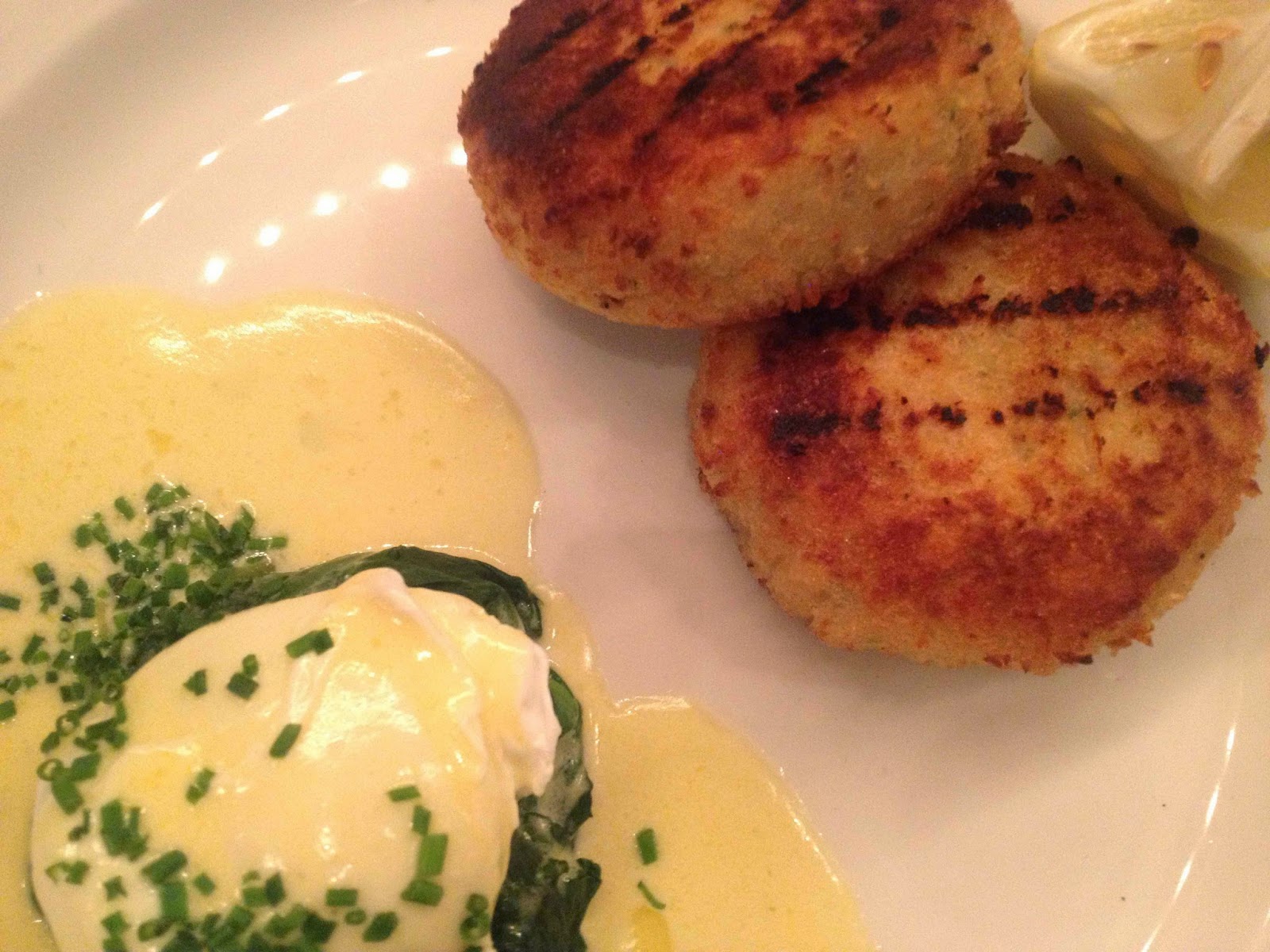
Virginia Salmon Cakes with Creamy Lemon-Yogurt Sauce- (Easy Salmon Recipes)

Make these moist, flavorful, omega-3–rich salmon cakes. The salmon cakes are quick to make and they are intensely have good taste.

This recipe is one of the most popular salmon recipes in Virginia and now with this recipe you can make them right in the comfort of your own home. It is easy to make. These fish cakes can be made for a family-get-together or just for yourself whenever you have time to make them.

What I love about this recipe is that, except for frying the salmon cakes, some cooking process can be made ahead, and that takes the stress out of dinner parties.

Virginia Salmon Cakes- Easy Salmon Recipes

These yummy salmon cakes have no heavy binders and aren’t bogged down with bread crumbs or other extra fillers. The fresh taste of the juicy salmon, accented with ginger, onion, and herbs, makes these cakes light and delectable, and coating them in panko bread crumbs (Japanese bread crumbs) gives them a delectable crisp crust.


Makes 12 salmon cakes; serves 12 as an appetizer or 6 as a main course

INGREDIENTS:

One 12-oz [340-g] salmon fillet, skin and pin bones removed (scroll down for quick tips below). You can also use canned salmon or frozen salmon if fresh is not available.

2 tsp extra-virgin olive oil
Fine sea salt
Freshly ground black pepper
4 Tbsp [55 g] unsalted butter
1 Tbsp peeled and minced fresh ginger
1/2 cup [70 g] finely diced white onion
1/2 cup [70 g] finely diced celery
1/2 cup [70 g] finely diced red bell pepper
1/2 cup [120 ml] mayonnaise (Try this easy recipe, How to Make Homemade Coconut Mayonnaise - Healthy Coconut Recipes)
1 Tbsp fresh lemon juice
1/4 tsp cayenne pepper
1 tsp minced fresh thyme
2 tsp snipped fresh chives
2 Tbsp minced fresh flat-leaf parsley
11/2 cups [90 g] panko bread crumbs (Japanese bread crumbs)
2 Tbsp grape seed, coconut oil or other neutral oil


COOKING DIRECTIONS:

1) Position a rack in the center of the oven and preheat the oven to 250°F [120°C].

2) Place the salmon in a shallow baking dish just large enough to hold it. Rub it all over with the olive oil and season lightly with salt and black pepper.

3) Bake the salmon until the fat between the layers turns opaque, almost white, and the fish flakes slightly when pierced with a knife, about 20 minutes. Alternatively, insert an instant-read thermometer into the thickest part of the salmon; when it registers about 125°F [52°C], the fish is done. Set aside to cool.

4) Meanwhile, in a nonstick frying pan or sauté pan, melt 2 Tbsp of the butter over medium heat and swirl to coat the bottom of the pan. Add the ginger, white onion, celery, and bell pepper and sauté, stirring frequently, until the vegetables are soft but not brown, about 4 minutes. Add 1/2tsp salt and a few grinds of black pepper. Set aside to cool.

5) In a medium bowl, combine the mayonnaise, lemon juice, cayenne, thyme, chives, and parsley and mix well. Using a fork, flake the salmon into small pieces and add it to the mayonnaise mixture. Add the cooled vegetables and, using a rubber spatula; gently mix the ingredients, being careful not to mash the salmon.

6) Form the salmon mixture into 12 cakes, each about 13/4 in [4.5 cm] in diameter and 1/2 in [12 mm] thick. Place the salmon cakes on a rimmed baking sheet, cover, and refrigerate for at least 40 minutes, or up to 8 hours.

7) Spread the panko on a dinner plate. One at a time, roll the salmon cakes in the panko, coating evenly on all sides, and then set aside on a plate.

8) In a large sauté pan, preferably cast iron, heat the remaining 2 Tbsp butter and the grape seed oil or coconut oil over medium-high heat and swirl to coat the bottom of the pan. Working in batches to avoid crowding, brown the salmon cakes on one side, about 3 minutes. Flip them and brown the second side, about 3 minutes longer. Transfer to a plate and keep warm. Repeat with the remaining cakes.

9) Serve the salmon cakes warm, accompanied with the yogurt sauce.


Quick Cooking Tips:

a) ALTERNATIVE COOKING METHOD IF YOU DON’T HAVE AN OVEN AVAILABLE. You can steam or microwave the salmon before flaking the salmon. You can also mash the raw salmon with a potato masher. If you don’t have potato masher, just think creative sweetie!

b) How to Make Bread Crumbs Stick to Jalapeño, Chicken, Pork, Fish, Prawn and Other Meat


Creamy Lemon- Yogurt Sauce Recipe

Creamy Lemon- Yogurt Sauce Recipe

INGREDIENTS:

2 Tbsp. of Chives, Finely Chopped and Evenly Divided
1 ½ tsp. of Lemon Zest, Freshly Grated and Evenly Divided
1 tsp. of Lemon Juice, Fresh
¾ Cup of Yogurt, plain
Salt


COOKING DIRECTION:

1) Just combine your yogurt, fresh lemon juice, salt, remaining lemon zest and chives in a small sized bowl. Then serve.

2) If you don’t want yogurt. You can try this homemade ketchup, How to Make Homemade Smoked Tomato Ketchup- Healthy Homemade Ketchup


Salmon Cakes Calorie Counter:

PER SERVING Calories: 101 | Fat: 4 g |Protein: 11 g | Sodium: 75 mg |Fiber: 0.6 g |Carbohydrates: 6 g |Sugar: 1 g


Do-It-Yourself (DIY) Bread Crumbs

Making your own bread crumbs is not only frugal but scrumptious. Simply cube leftover fresh bread (homemade or bakery loaves work best) and place in a food processor.

Pulse until crumbs form. Add dried herbs and spices that complement the dish you plan to use them in if desired. Store in an airtight container.


How to Remove the Salmon Pin Bones Fast and Easy?

How to Remove the Salmon Pin Bones Fast and Easy

REMOVING PIN BONES. Run your fingertips along the flesh side of the fillet until you feel the pin bones. Using either clean needle-nose pliers or fish tweezers, grasp the end of each bone and pull it straight out and away from the flesh to remove it.

If you try to pull them upwards or backwards it tends to tear the flesh.


Related Youtube Videos:

1) How to Remove Pin Bones from Salmon


2) How to fillet a salmon and remove the pin bones


How to Buy and Store Salmon?

BUYING SALMON. Check with your local seafood markets to find out when U.S. Pacific wild Alaskan salmon is in season, and have it cut into fillets and steaks, and wrapped for freezing. This way you can buy enough salmon, at a good price, to have for months to come.

Frozen salmon can be an excellent alternative to fresh salmon; just be sure to buy from whole-foods markets offering environmentally safe, high-EFA frozen fish.

For many reasons, wild-caught Alaska salmon may be the best choice, but it can also be expensive or difficult to find. A 2006 review of scientific studies on the presence and dangers of contaminants in fish, however, found that the overall benefits of eating salmon outweighed the potential risks encountered in the farmed version.

For the reason that farmed salmon are fed a controlled diet, the balance of the omega-3 fatty acids may not be as good as it is in wild-caught fish. Farmed salmon may contain a somewhat lower level of omega-3 fatty acids.

There is also a risk of higher levels of some contaminants, notably dioxins and PCBs, in the farmed fish.

Wild Pacific salmon is safer, and farm raised Chilean salmon had the lowest levels of pollutants.

Obviously, the best wild salmon is freshly caught, but that is not always possible.


Related Post: How to Tell if Salmon Fillet is Fresh


STORING SALMON. Salmon steaks or fillets can be marinated, or just rinsed under water, then patted dry before cooking. Frozen salmon should be defrosted slowly in the refrigerator, to preserve the texture and flavor, then rinsed under water and patted dry.


Let me know if you enjoyed this recipe by hitting the share button or leaving a comment below. It would mean a lot.


Persons who viewed this recipe also clicked one of these related salmon recipes:

1) Pan-Seared Salmon Recipe from Fraunces Tavern New York City, NY Est. 1762

2) Delicious and Easy Wild Alaskan Salmon Recipe

3) Oven-Poached Salmon Recipe- #FishRecipes

4) Artificial Ikura- Artificial Salmon Eggs (Roe) - Molecular Gastronomy Recipes

5) Bolinhos de Bacalhau- Codfish Bites- Brazilian Food Recipes

6) Moqueca de Peixe- Fish Stew- Brazilian Food Recipes

7) Salmon Fish Cakes Recipe- #SalmonRecipes


REFERENCES:

David W. Group. 2015. Encyclopedia of Mind Enhancing Foods, Drugs and Nutritional Substances, 2nd Edition. McFarland. ISBN-13: 978-0786441426

Diane Morgan and Leigh Beisch (Photographer). 2016. Salmon: Everything You Need to Know + 45 Recipes. Chronicle Books LLC. ISBN-13: 978-1452148359

Deborah A. Klein. 2009. The 200 SuperFoods That Will Save Your Life: A Complete Program to Live Younger, Longer. McGraw-Hill Education. ISBN-10: 0071625755

Delia Quigley and Brierley E. Wright. 2008. The Everything Superfoods Book: Discover what to eat to look younger, live longer, and enjoy life to the fullest. Everything. ISBN-10: 1598696823

Saturday

Pan-Seared Salmon Recipe from Fraunces Tavern New York City, NY Est. 1762

Fraunces Tavern is a national historic landmark, museum, and restaurant in New York City, situated at 54 Pearl Street at the corner of Broad Street. The location played a prominent role in pre-Revolution, American Revolution and post-Revolution history, serving as a headquarters for George Washington, a venue for peace negotiations with the British, and housing federal offices in the Early Republic. It has been owned by Sons of the Revolution in the State of New York Inc. since 1904, which carried out a major conjectural reconstruction, and claim it is Manhattan's oldest surviving building. The museum interprets the building along with varied exhibitions of art and artifacts.  The tavern is a tourist site and a part of the American Whiskey Trail and the New York Freedom Trail.

The building was declared a landmark in 1965 by New York City Landmarks Preservation Commission, and the building's block bounded by Pearl Street, Water Street, Broad Street and Coenties Slip was included on November 14, 1978.  The building's block was included on April 28, 1977 on the National Register of Historic Places by National Park Service, and the building was included on March 6, 2008.

pan-seared-salmon-recipe-fraunces-tavern-new-york-city


Serves 2

INGREDIENTS:

2 cups whole milk
2 medium parsnips, peeled and chopped
2 teaspoons olive oil
1⁄2 cup shiitake mushrooms
1⁄2 cup oyster mushrooms
1⁄2 cup cremini mushrooms
2 tablespoons chopped shallots
3 tablespoons chopped garlic
1⁄2 cup white wine
1⁄2 cup sherry wine
1 tablespoon sherry vinegar
1 tablespoon lemon juice
2 tablespoons unsalted butter
1⁄2 cup water
1 tablespoon chopped fresh parsley
1 tablespoon chopped fresh chives
11⁄2 teaspoons chopped fresh tarragon
1⁄2 teaspoon salt
1⁄4 teaspoon freshly ground black pepper
3 tablespoons soy oil
2 cups lightly packed spinach
2 (6-ounce) salmon fillets, skin on


COOKING PROCEDURE:

1) Place the milk and parsnips in a pot and cook over medium-high heat until tender. 

2) Transfer the parsnips to a blender and puree, adding cooking milk as needed. Season with salt. Set aside and keep warm.

3) Heat 1 teaspoon of the olive oil in a large sauté pan over medium-high heat. Add the mushrooms and cook until dry. Add the shallots, 1 tablespoon of the garlic, and the white wine and sherry and cook until reduced by half, about 15 minutes. Add the sherry vinegar, lemon juice, butter, water, parsley, chives, and tarragon, and season with 1⁄2 teaspoon salt and the black pepper. Set aside and keep warm.

4) In a separate sauté pan, heat the soy oil over medium-high heat. Sauté the spinach and the remaining 2 tablespoons of garlic.

5) In another sauté pan, heat the remaining 1 teaspoon of olive oil over high heat. When the oil is hot, pan sear the salmon skin side down, about 3 minutes, then turn and sear the other side for 2 to 3 minutes.

6) Spread the parsnip puree on each of the serving plates.

7) Form a ring with the sautéed spinach to hold the braised mushrooms, place the salmon on top, and serve at once.


Reference: 


I got this recipe from the book listed below. The book is everything you need for an imaginary tour of 100 historic restaurants that have made United States great. I tried the recipe and used the freshest salmon I could buy. My friend liked it so much that she serves this recipe on her birthday dinner.

Rick Browne. 2013. A Century of Restaurants: Stories and Recipes from 100 of America's Most Historic and Successful Restaurants. Andrews McMeel Publishing. ISBN-10: 1449407811


If you don't like fish you can try this chicken recipe.... Marinated Juicy Chicken Breasts with Grilled Apple Rings Recipe

Thursday

Salmon Fish Cakes Recipe- #SalmonRecipes

A fishcake (sometimes written as fish cake) is a food item similar to a croquette, consisting of a filleted fish and potato patty sometimes coated in breadcrumbs or batter, and fried. Fishcakes are often served in British fish and chip shops.

The fishcake has been seen as a way of using up leftovers that might otherwise be thrown away. In Mrs Beeton's 19th century publication Book of Household Management, her recipe for fishcakes calls for "leftover fish" and "cold potatoes". More modern recipes have added to the dish, suggesting ingredients such as smoked salmon and vegetables.

salmon-fishcake-recipe

Serve these fish cakes with a tartar sauce made of 1/2 cup mayonnaise mixed with 1/2 cup crème frâiche, 2 tablespoons chopped capers, 1/4 cup chopped gherkins, and 2 tablespoons chopped fresh flat-leaf parsley. For a complete meal, serve the cakes with garlic-sautéed green beans and a green salad.


MAKES 8
FREEZE FOR UP TO 4 WEEKS


INGREDIENTS:

1 pound baking potatoes such as russet, peeled and cut into large chunks
2 tablespoons butter
1/4 cup milk
Sea salt flakes and freshly ground black pepper
1 bunch scallions, light green and white parts only, finely chopped
1 tablespoon Dijon mustard
3 tablespoons chopped fresh flatleaf parsley
11/2 pounds Oven-Poached Salmon
1 to 2 tablespoons lemon juice
1/2 cup all-purpose flour
2 eggs, beaten
1 cup dried fine bread crumbs


PROCEDURE:

1) Place the potatoes in a pot with salted water to cover. Bring to a boil, reduce the heat, and simmer for 15 minutes or until soft. Drain the potatoes and return to the pot and cook for 2 minutes or until all the liquid is evaporated. Add the butter and milk and mash over a gentle heat until the potatoes are semi-smooth. Remove from the heat. Season with salt and pepper to taste. Add the scallions, mustard, and parsley to the potato mixture. Flake the fish into large pieces and gently fold into the potatoes. Add the lemon juice according to taste and adjust the salt and pepper if necessary.

2) Shape into eight 1/2-cup patties or balls. Place on a baking sheet lined with plastic wrap. Chill for 45 minutes.

3) Place the flour, eggs, and bread crumbs in three separate shallow bowls. Dredge the fish cakes in flour, dusting off any excess. Coat with egg and then bread crumbs. Place on the baking sheet lined with plastic wrap and chill for 15 minutes.

4) Preheat the oven to 400°F if baking. Place a rack in the top third of the oven.

5) The fish cakes can be baked or sautéed. To bake, place on a baking sheet lined with parchment paper and brushed with oil. Bake for 20 minutes or until golden brown and heated through. To saute, heat 1/4 cup oil in a nonstick skillet and cook four fish cakes at a time, for 5 minutes on each side. Drain on paper towels before serving.

To freeze: Open freeze the uncooked fish cakes until solid, about 1 hour. Once frozen, wrap each with plastic freezer wrap, followed by a plastic freezer bag. Or use heat-seal plastic bags, placing 2 cakes in each bag. Return to the freezer.

To cook: Preheat the oven to 400°F. Place a rack in the center of the oven. Line a baking sheet with parchment paper, then brush with oil. Place the frozen fish cakes on the baking sheet. Bake for 30 minutes or until golden and heated through.


Try other healthy fish recipes at... Fish Recipes

Before you buy salmon, learn... How to Tell if Salmon Fillet is Fresh


CALORIE COUNTER:

Salmon, Pink
Cooked
salmon, fish, dinner, seafood

B+ Grade 
185 Calories 

Nutrition Facts
Serving Size 1/2 fillet (124 g)
Per Serving
% Daily Value*

Calories 185

Calories from Fat 49

Total Fat 5.5g
8%
Saturated Fat 0.9g
4%
Polyunsaturated Fat 2.1g

Monounsaturated Fat 1.5g

Cholesterol 83mg
28%
Sodium 107mg
4%
Potassium 513.36mg
15%
Carbohydrates 0g
0%
Dietary Fiber 0g
0%
Sugars 0g

Protein 31.7g

Vitamin A
3 %
Vitamin C
0%
Calcium
2%
Iron
7%

Oven-Poached Salmon Recipe- #FishRecipes

oven-poached-salmon-recipe

Salmon flesh is generally orange to red, although white-fleshed wild salmon occurs. The natural color of salmon results from carotenoid pigments, largely astaxanthin, but also canthaxanthin, in the flesh. Wild salmon get these carotenoids from eating krill and other tiny shellfish.

The vast majority of Atlantic salmon available around the world are farmed (almost 99%), whereas the majority of Pacific salmon are wild-caught (greater than 80%). Canned salmon in the United States is usually wild Pacific catch, though some farmed salmon is available in canned form. Smoked salmon is another popular preparation method, and can either be hot or cold smoked. Lox can refer to either cold-smoked salmon or salmon cured in a brine solution (also called gravlax). Traditional canned salmon includes some skin (which is harmless) and bone (which adds calcium). 

Serve this simple poached salmon with a salad of boiled new potatoes mixed with cooked green beans, finely chopped red onion, and Dijon mustard vinaigrette. Cook extra salmon for leftovers to make Salmon Fish Cakes.


SERVES 4 TO 6 WITH LEFTOVERS


INGREDIENTS:

One 4-pound whole salmon, head removed, cleaned
Salt and freshly ground black pepper
1 small bulb fennel, thinly sliced
2 lemons, thinly sliced
Lemon wedges for serving


PROCEDURE:

1) Preheat the oven to 425°F. Place a rack in the center of the oven. Place a flat rack in a large roasting pan.

2) Wash the salmon and pat dry with paper towels. Rub salt and pepper all over and inside the cavity. Lay the salmon on the rack in the roasting pan. Insert the fennel and lemon slices in the cavity of the salmon. Pour enough water in the roasting pan to come just below the rack. Dampen a large piece of crumpled parchment with water, open it, and place it directly over the fish. Cover with foil, securing well around the edge of the roasting pan.

3) Place the salmon in the oven and cook for 25 to 40 minutes until it is just cooked through. Test by inserting a metal skewer into the fish—if it goes through easily, the fish is ready. Using a fork, you can also expose a bit of the flesh to see if the flesh is opaque. Remove from the oven and allow to stand, covered, for 10 minutes. Transfer to a platter with lemon wedges and serve with a salad.


Try other healthy fish recipes at... Fish Recipes

Before you buy salmon, learn... How to Tell if Salmon Fillet is Fresh


CALORIE COUNTER:
Salmon, Pink
Cooked
salmon, fish, dinner, seafood

B+ Grade 
185 Calories 

Nutrition Facts
Serving Size 1/2 fillet (124 g) 

Per Serving
% Daily Value*

Calories 185

Calories from Fat 49

Total Fat 5.5g
8%
Saturated Fat 0.9g
4%
Polyunsaturated Fat 2.1g

Monounsaturated Fat 1.5g

Cholesterol 83mg
28%
Sodium 107mg
4%
Potassium 513.36mg
15%
Carbohydrates 0g
0%
Dietary Fiber 0g
0%
Sugars 0g

Protein 31.7g

Vitamin A
3 %
Vitamin C
0%
Calcium
2%
Iron
7%

Tuesday

Bolinhos de Bacalhau- Codfish Bites- Brazilian Food Recipes

Cod is the common name for the genus Gadus of demersal fishes, belonging to the family Gadidae. Cod is also used as part of the common name for a number of other fish species, and there are species suggested to belong to genus Gadus that are not called cod (the Alaska pollock).

cod fish recipe

The two most important species of cod are the Atlantic cod (Gadus morhua), which lives in the colder waters and deeper sea regions throughout the North Atlantic, and the Pacific cod (Gadus macrocephalus), found in both eastern and western regions of the northern Pacific. Gadus morhua was named by Linnaeus in 1758. (However, G. morhua callarias, a low salinity, non-migratory race restricted to parts of the Baltic, was originally described as Gadus callarias by Linnaeus.)

Some fish that do not have "cod" in their names are sometimes sold as cod. Haddock and whiting belong in the same family, the Gadidae, as cod.

Haddock Melanogrammus aeglefinus
Whiting Merlangius merlangus

Cod is popular as a food with a mild flavor and a dense, flaky white flesh. Young Atlantic cod or haddock prepared in strips for cooking is called scrod. In the United Kingdom, Atlantic cod is one of the most common ingredients in fish and chips, along with haddock and plaice. Cod's soft liver can be tinned (canned) and eaten. It is an important source of vitamin A, vitamin D, vitamin E and omega-3 fatty acids (EPA and DHA). Cod is mainly consumed in Portugal, Spain, Italy and Brazil. Cod flesh is white, moist, and flaky when cooked.

Like Christmas itself, these delicious holiday appetizers came to Brazil with the Portuguese, and these appetizers remain a local favorite.

bolinhos-de-bacalhau-codfish-bites-brazilian-food-recipes
  
Preparation time: 1 hour (plus overnight soaking time and 30 minutes refrigeration)
Cooking time: 1 hour
Makes 20 to 24 bolinhos

INGREDIENTS:

3/4 lb. boneless, skinned salt cod fillets
2 small new potatoes, washed and peeled
1 small onion, minced
1 tbsp. fresh parsley, minced
1\2 tsp. salt
1\2 tsp. pepper
2 eggs, separated
1 to 2 tbsp. all-purpose flour
vegetable oil for deep-frying
malagueta pepper sauce (optional)


PROCEDURE:

1. Place salt cod in a dish with enough water to cover. Cover dish with plastic wrap and refrigerate 8 hours, or overnight.

2. If you have time, change water once or twice during soaking.

3. When fish is nearly done soaking, cut the potatoes into halves and place in a stockpot with enough water to cover by 1 inch. Bring to a boil and cook 20 minutes, or until tender. Remove from heat and let cool.

4. Meanwhile, drain cod, rinse well, and place in a medium saucepan with enough water to cover. Bring to a boil, reduce heat, and simmer for 15 minutes, or until fish is tender. Remove from heat.

5. When fish is cool, carefully remove the bones and skin. Chop fish into roughly 1/2-inch pieces.

6. Mash potatoes with a fork or potato masher and place in a large mixing bowl. Add cod, onion, parsley, salt, and pepper. Beat egg yolks in a small bowl and add to codfish mixture. Stir to combine. If mixture is runny, add 1 to 2 tbsp. flour and mix well.

7. In a small bowl, beat egg whites for about 5 or 6 minutes, or until stiff. Fold whites into codfish mixture. Cover mixture and refrigerate for 30 minutes.

8. Form codfish mixture into small balls, about 1 to 1/2 inches in diameter. Pour about 2 inches of oil into a deep kettle or frying pan. Heat to 350˚F, or until a drop of water flicked into the pan jumps out.

9. Use a slotted spoon to place 4 or 5 balls into the oil. Fry for 3 to 5 minutes, or until golden brown all over. Remove from oil and drain on paper towels.

10. Serve hot, with malagueta pepper sauce for dipping, if desired.


Quick Cooking Tips:

Look for salt cod in the seafood department of your local grocery store or at Latin American markets. If you cannot find boneless, skinless fillets, you can remove the bones and skins yourself after soaking. Use a sharp knife and a fork to peel the skin away from the flesh and use your fingers to remove the bone.


If you like this recipe, you will definitely like this delicious Brazilian recipe... Moqueca de Peixe- Fish Stew- Brazilian Food Recipes

Want more healthy fish recipes, click this...Fish Recipes


CALORIE COUNTER: Cod Fish Fillet

Cod, Atlantic
Cooked
cod, fish, seafood, cod fish, dinner

B+ Grade
189 Calories

Nutrition Facts
Serving Size 1 fillet (180 g)
Per Serving %

Daily Value
Calories 189

Calories from Fat 14

Total Fat 1.5g
2%
Saturated Fat 0.3g
2%
Polyunsaturated Fat 0.5g Monounsaturated Fat 0.2g

Cholesterol 99mg
33%
Sodium 140mg
6%
Potassium 439mg
13%
Carbohydrates 0.0g
0%
Dietary Fiber 0.0g
0%
Sugars 0.0g

Protein 41.1g

Vitamin A
2%
Vitamin C
3%
Calcium
3%
Iron
5%

Disclosure | Disclaimer |Comments Policy |Terms of Use | Privacy Policy| Blog Sitemap


The information contained herein is provided as a public service with the understanding that this site makes no warranties, either expressed or implied, concerning the accuracy, completeness, reliability, or suitability of the information. Nor does warrant that the use of this information is free of any claims of copyright infringement. This site do not endorse any commercial providers or their products.


Culinary Physics Blog:You have the potential to be HEALTHY, wealthy and to be BEAUTIFUL! Unlock the knowledge to a life of radiant health and unstoppable vitality. This is a blog where life-changing nutrition and health facts merges with inspiring storytelling and stunning visuals. I’m on a mission to EMPOWER YOU with the tools and mindset to transform your relationship with your body, energy levels, and overall wellbeing. Each post is a masterclass in optimizing human nutrition and performance. PRACTICAL TIPS that you can apply to your own journey towards making your health a non-negotiable priority. You'll discover the latest cutting-edge research from trusted experts in a way that entertains as it educates. We'll cut through conflicting health trends to give you clear, SCIENCE-BACKED guidance. From busting health myths and biohacks for peak physical and mental fitness, you will get the blueprint to LEVEL UP your health span.


2011- 2027 All Rights Reserved. Culinary Physics Blog

http://culinaryphysics.blogspot.com